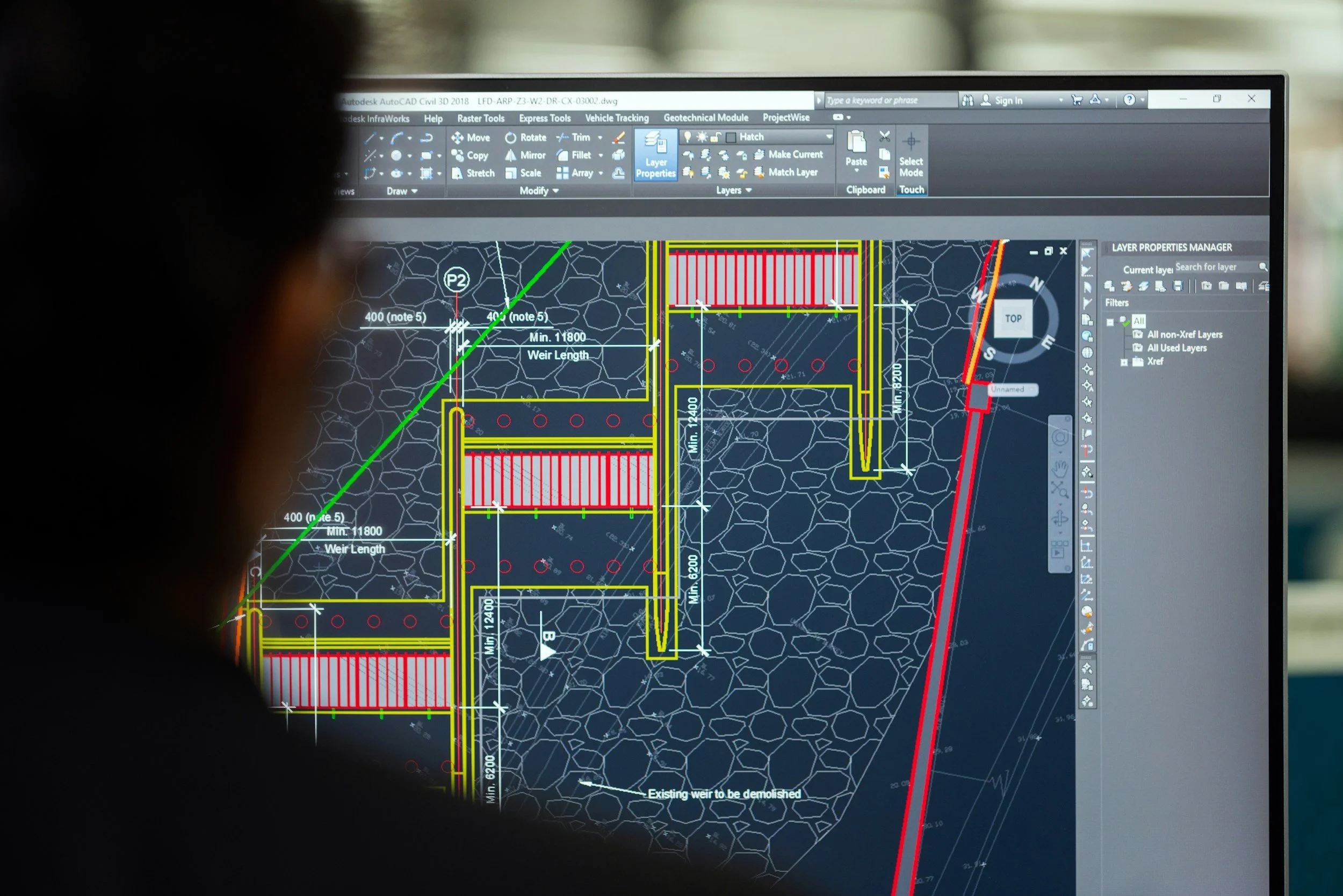
Innovations to Water Preservation
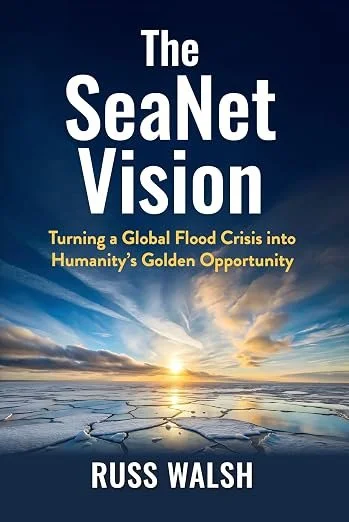
Grab your copy of “The SeaNet Vision”.
The highly anticipated book dives into a disruptive strategy poised to redefine how the world confronts sea level rise and unlock massive new economic and environmental possibilities.
Origins of The SeaNet Vision
In 2020, while leading cybersecurity risk and compliance at General Electric in Silicon Valley, Russ, like many others, found himself feeling isolated during the pandemic. With his wife overseas, caring for her parents, and his former company, GE, asking for new ideas, he turned his attention to researching wildfire detection and response. That work quickly opened his eyes to an even bigger problem: the rising sea levels threatening communities around the world.
At first, he considered it a minor issue. But the more he studied, the clearer the picture became. Seas are rising by more than an inch per decade, threatening to climb three feet by the year 2100, and potentially over 200 feet if all polar ice melts. Indonesia is already relocating its capital because of sinking land and rising seas. Venice, Miami, and countless other coastal cities face existential threats.
What struck him most was not the danger itself, but the lack of solutions.
Reports and documentaries from NASA, BBC, National Geographic, and leading universities all ended the same way: with a doomsday forecast urging humanity to retreat inland.
That was not good enough.
Russ began researching a bold alternative: redirecting rising seas into inland deserts such as Australia and the Sahara. The concept, which he named the SeaNet, could create vast new lakes, forests, and communities while protecting coastal populations worldwide. Early discussions with climate researchers, governments, and construction leaders suggest it could be the game-changer humanity needs.
Russ has published The SeaNet Vision - Turning a Global Flood Crisis into Humanity’s Golden Opportunity.
This is more than a book—it is a blueprint for one of the world’s most ambitious construction projects. Deserts could be transformed into green landscapes.
New inland seas could support thriving cities. And the next generation could work not only in software, but in engineering, construction, and water management at a scale humanity has never attempted.
The SeaNet Vision is more than research. It’s an invitation — to rethink what’s possible, to solve one of our greatest threats, and to build a future worth passing on.
Explore some of the brave ideas our sinking world

Part 1: A Novel Geoengineering Strategy to Combat Sea Level Rise
A bold plan to combat rising sea levels: redirecting ocean water to arid regions to create massive inland lakes with an ambitious alternative to traditional geoengineering.